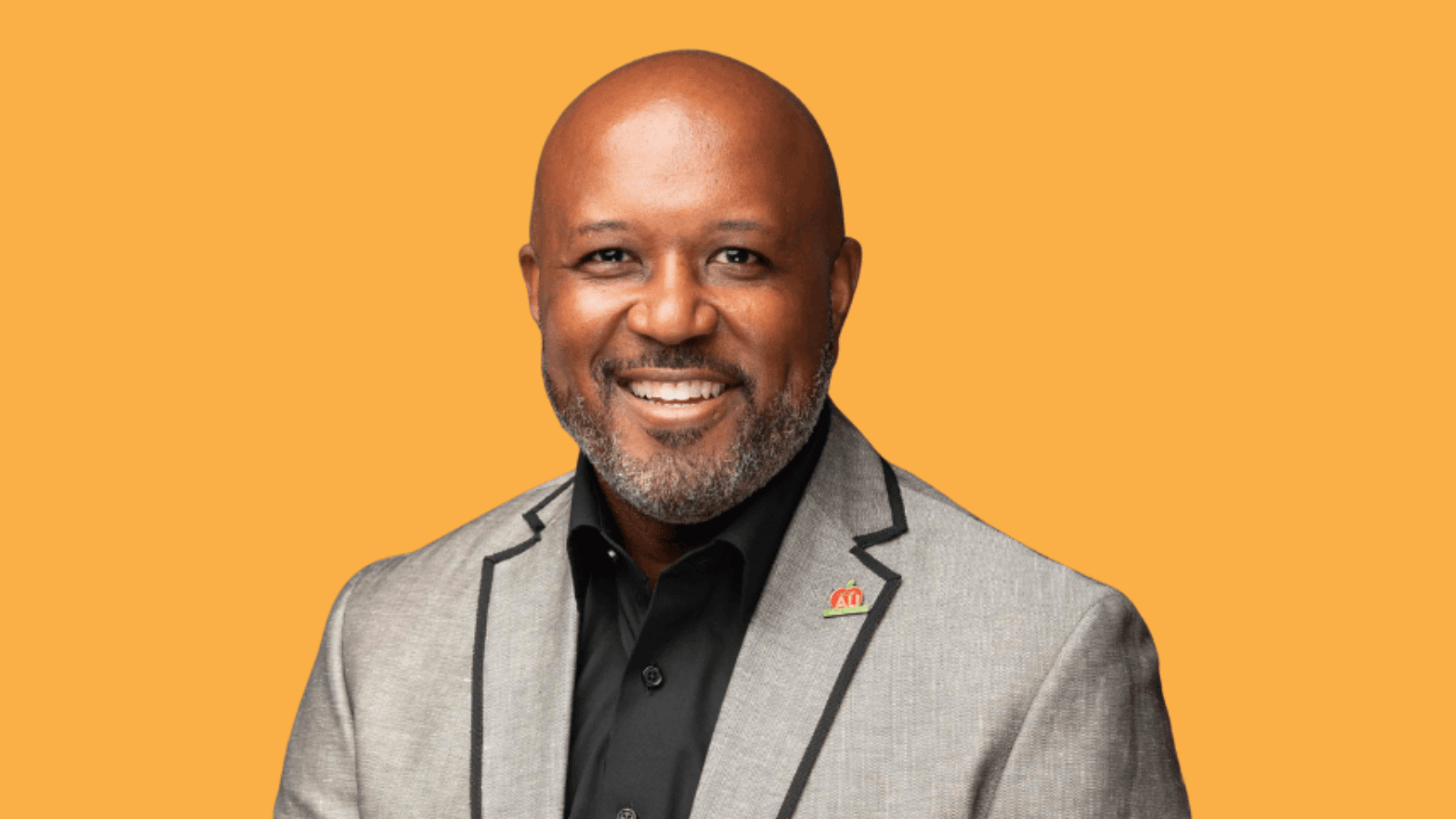
We invite you into a reflective conversation with CABSE Conference Chairman Micah Ali, as he responds to the questions about CABSE’s work this past year.
Q1: Looking back on this year, what moment best captures CABSE’s commitment to equity and student success?
Micah Ali:
One of the most defining moments this year was the launch of CABSE’s first Math High-Quality Instructional Materials (HQIM) Pre-Conference. This convening brought together educators, district leaders, and experts who are deeply committed to redesigning math pathways for African-American learners across California.
The Math Pre-Conference was not just about curriculum, it was about access, identity, and belief. Together, we began laying the foundation for deeper statewide work by highlighting equity-centered material adoption, expanding access to high-quality math instructional tools, strengthening math identity and confidence for Black students, and engaging leaders in honest, actionable conversations around rigor, belonging, and acceleration.
This gathering marked an important step forward in our work, one that ensures math becomes a gateway, not a gatekeeper, to opportunity.
Q2: How did Blueprint 2.0 evolve this year, and why is it such a critical part of CABSE’s work?
Micah Ali:
Blueprint 2.0 continued to take shape this year as a powerful, practitioner-informed framework designed to strengthen instruction and system alignment across the state. Our focus on Theme 1: High-Quality Instruction & Instructional Tools—Math reinforced the belief that what we teach, and how we teach it, matters deeply for student outcomes.
Through Blueprint 2.0, we offered leaders grounding themes that collectively serve as a landing place for impact: equity-based, high quality curriculum selection, professional learning pathways for educators, progress monitoring grounded in transparency and data, and strategies to expand access to advanced and accelerated coursework. We also emphasized culturally sustaining pedagogy, student discourse, and meaningful family engagement that strengthens math identity. We are proud to release our Blueprint 2.0 [INSERT LINK?] Evidence and Practice Kit, a compendium of abstracts from our convenings, peer reviewed literature, and gray literature that uplift the 2.0 strategies.
Q3: CABSE convenings continue to grow in influence. What stood out to you about this year’s Institute and Annual Conference?
Micah Ali:
This year’s CABSE Institute and Annual Conference powerfully reaffirmed the impact of coming together with shared purpose, bold vision, and collective responsibility.
The CABSE Institute centered on the theme of Social and Local Determinants of Education, creating an immersive learning environment where educators, trustees, students, and community partners examined how community conditions, policy decisions, and lived experiences directly shape student outcomes. Through intentional design and forward-thinking dialogue, participants explored strategies
to address barriers beyond the classroom while building systems that uplift the whole child. We were honored to host an inspiring lineup of guest speakers, including Colin Kaepernick, whose presence underscored the urgency of advocacy, courage, and transformative leadership in education. Attendees left the Institute equipped with practical tools and renewed commitment to accelerate districtwide progress and deepen equity-centered leadership.
The CABSE Annual Conference expanded this momentum with this year’s powerful theme, “The Great Tap-In for Black Students.” More than a call to action, the theme served as a declaration, inviting us to lean in with fresh energy, sharper intention, and a shared determination to reshape systems that have too long failed our students. We were reminded that this work is not just about advancing equity, but about crafting the blueprint for transformation. The conference featured an influential roster of speakers and thought leaders, including Martellus Bennett (Mr. Tomonishi), Amen Rahh, Assemblymember Dr. LaShae Sharp-Collins, and many more visionary educators, advocates, and system leaders. Together, they helped shape statewide dialogue around student achievement, community engagement, and system redesign, turning ideas into action.
In celebration of excellence in practice, CABSE was also proud to present Black EdCellence Awards to more than 20 schools, recognizing their inspirational leadership and measurable impact in advancing equity, opportunity, and outcomes for Black students across California.
Together, these convenings served as a launchpad for bold ideas, meaningful collaboration, and actionable change. Reinforcing what we know to be true at CABSE: when we gather, we grow; and when we collaborate, we transform.
Q4: How did CABSE’s strategic planning this year strengthen the organization for the future?
Micah Ali:
This year marks a major milestone for CABSE with the release of our 2025–2028 Strategic Plan [INSERT LINK?]. A bold, forward-looking roadmap that defines our collective priorities for the next three years. Grounded in equity, excellence, and service to students, this Blueprint reflects both deep reflection and decisive action, positioning CABSE to scale its impact across California.
The 2025–2028 Strategic Plan establishes clear, long-term priorities for student outcomes and district support, strengthens organizational alignment across governance and operations, and ensures cohesion across our programs, convenings, and policy efforts. It also sets the stage for new and expanded initiatives, including enhanced Blueprint themes and statewide educator supports designed to meet the evolving needs of our communities.
As we move into the new year, CABSE does so with renewed clarity, shared purpose, and a strengthened foundation. Ready to lead, innovate, and advocate for Black students across California.
Q5: As we look ahead, what can the CABSE community be excited about in the coming year?
Micah Ali:
Folks, we are incredibly excited about what is ahead, especially the CABSE Summer Institute 2026, taking place July 12–15, 2026, at the beautiful Meritage Resort and Spa in Napa Valley. We will bring together education’s boldest thinkers and practitioners for an immersive, solutions-driven experience grounded in the theme Liberating Black EdCellence.
More than a convening, the Institute serves as a living laboratory where policy meets practice and equity is intentionally designed to unlock the full brilliance of Black students, educators, and communities. Through curated dialogue, actionable strategy, and real-time problem solving, CABSE centers transformation over reform and impact over rhetoric. Together, participants will engage across roles and systems to illuminate what’s possible when Black excellence is not treated as the exception—but established as the foundation for the future our students deserve.
From our CABSE family to yours, we close this New Year’s edition grounded in hope and collective purpose. Micah’s reflections remind us that the future ahead is one we are actively building—together—through unity, courage, and an unwavering commitment to Black student brilliance. As we step into the year ahead, we do so confident in the strength of our community and inspired by the transformative impact of CABSE’s work.